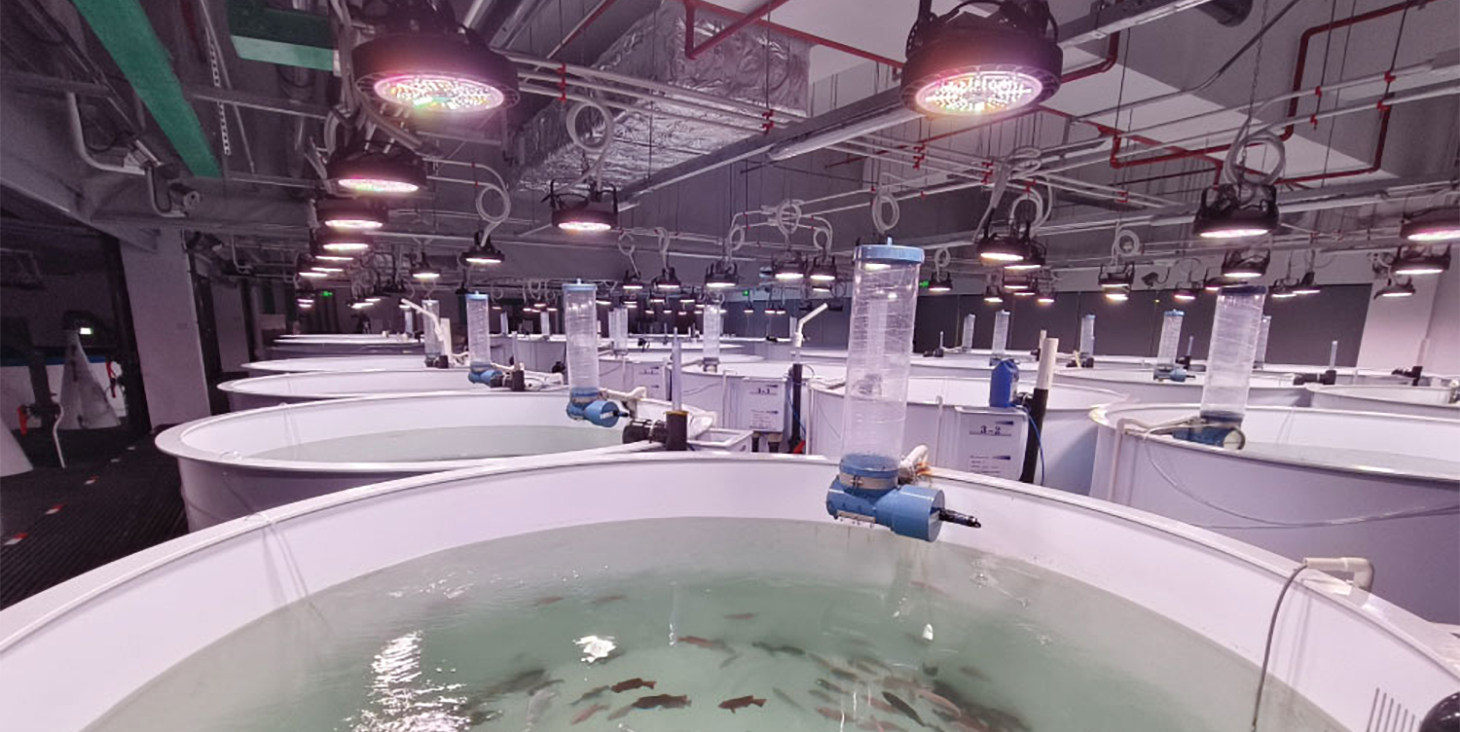
"Why is a chemical company getting into land-based aquaculture?"
HighChem exhibited at the Aquaponics & Land-Based Aquaculture Exhibition for two consecutive years, in 2025 and 2026.
At first glance, this may seem unrelated to the chemical industry. However, behind this initiative lies our long-standing commitment to CO2 utilization technologies and our desire to help solve global food challenges.
In this article, we introduce why HighChem is entering the field of land-based aquaculture and the future we envision.
HighChem exhibited at the Aquaponics & Land-Based Aquaculture Exhibition for two consecutive years, in 2025 and 2026.
At first glance, this may seem unrelated to the chemical industry. However, behind this initiative lies our long-standing commitment to CO2 utilization technologies and our desire to help solve global food challenges.
In this article, we introduce why HighChem is entering the field of land-based aquaculture and the future we envision.
Why HighChem Is Investing in Land-Based Aquaculture
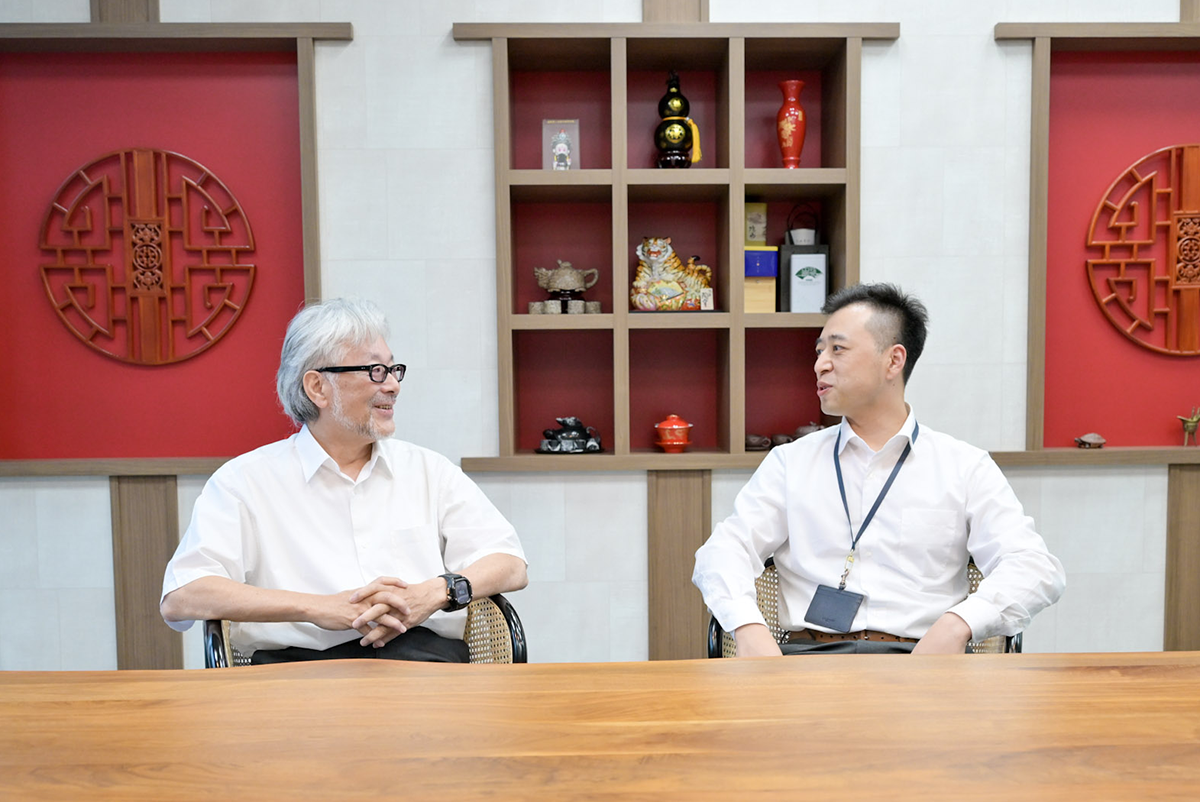
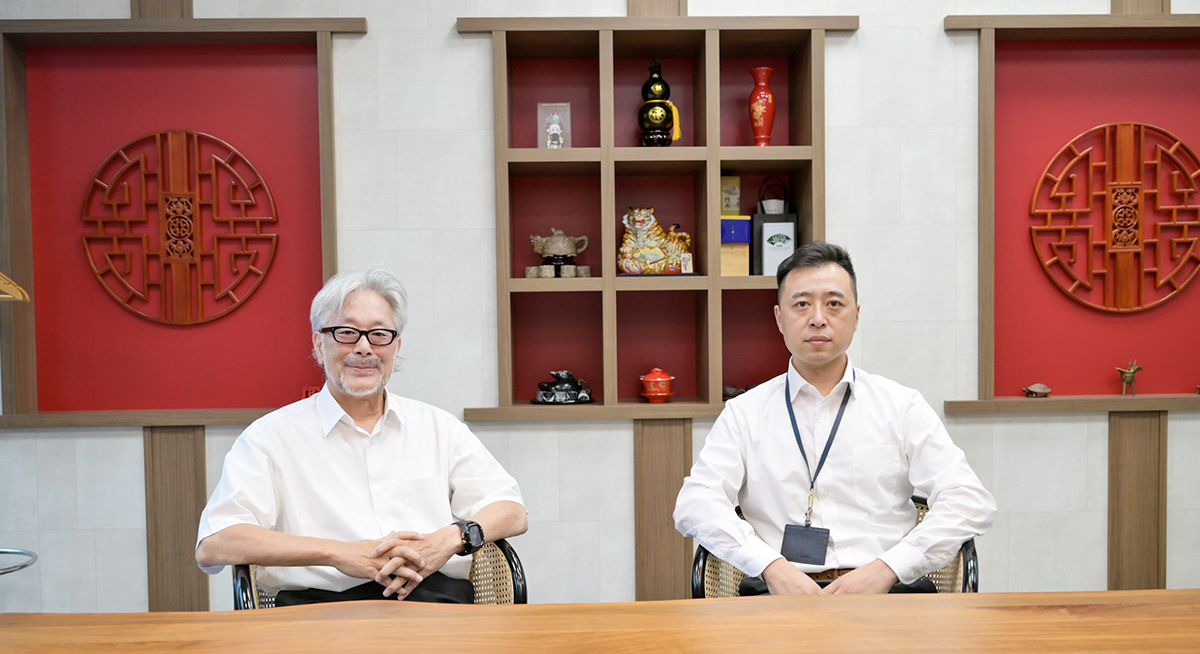
From left: Konishi, General Manager of the C1 Division, and Mr. Li
— HighChem has exhibited at the Land-Based Aquaculture Exhibition for two consecutive years. At first glance, this appears to be unrelated to your traditional business. Why are you focusing on this field?
Expanding into "Food" as a New Direction for CO2-Based Manufacturing
(Konishi) HighChem has spent many years developing and commercializing technologies that enable manufacturing from CO2. By promoting CO2-based manufacturing, we aim not only to reduce greenhouse gas emissions but also to replace conventional fossil resource-based production with high-value-added alternatives.
While HighChem will certainly continue pursuing this initiative, we also wanted to explore "food" as another destination for CO2 utilization—one that addresses one of humanity's most urgent challenges.
For example, the inability to grow crops or catch fish could become an immediate crisis for humanity. With this in mind, we defined "food" as one of the key directions for our vision of manufacturing from CO2.
Fortunately, HighChem has long handled a wide range of food ingredients, including vitamin C and other food additives, and has built extensive networks within the food industries of both Japan and China.
The Great Potential of Microalgae Produced from CO2 Through Photosynthesis
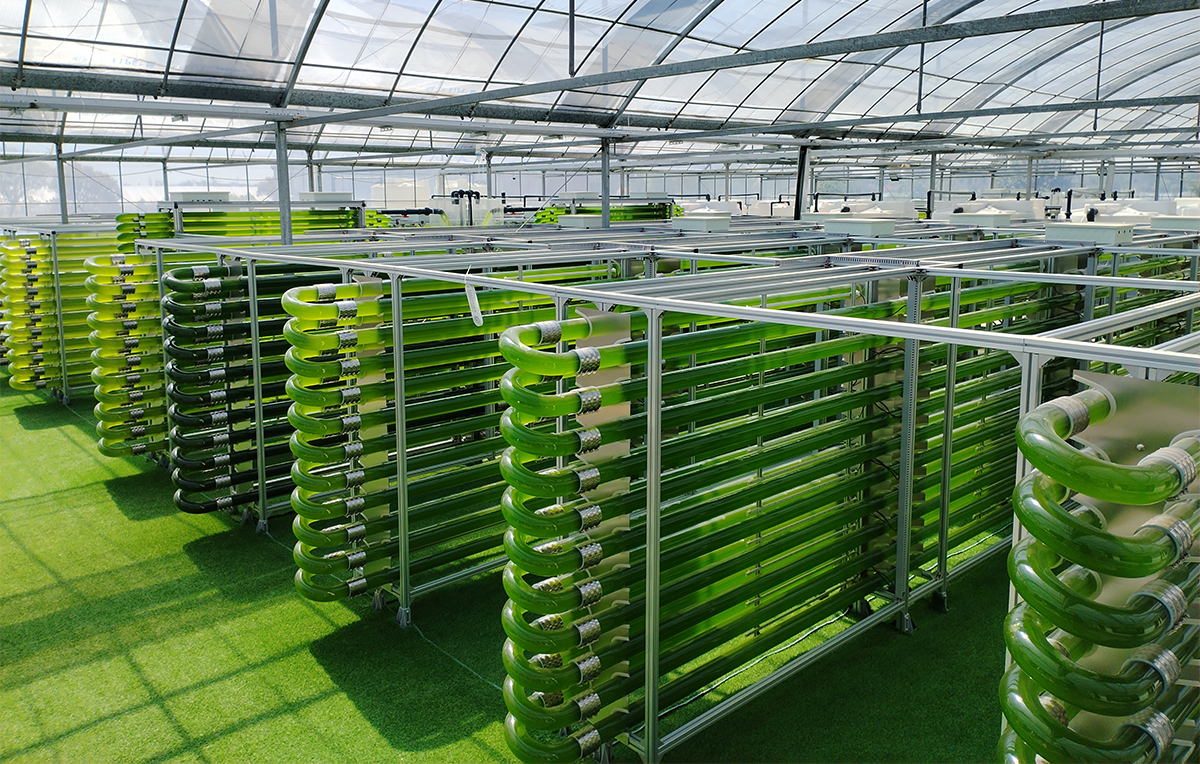
(Konishi) When considering the end uses of CO2-based manufacturing—namely food and organic materials—we saw microalgae as another promising option alongside conventional chemical processes.
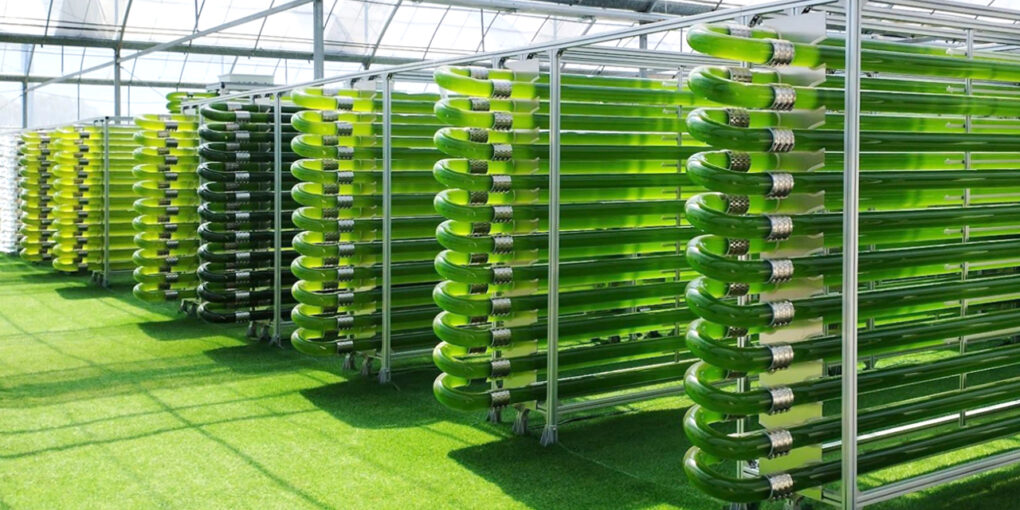
Using advanced equipment such as the photobioreactor showcased at the exhibition, high-quality microalgae can be efficiently cultivated through photosynthesis using CO2 as the raw material. Rich in proteins and lipids, microalgae have broad potential applications in food, animal feed, and chemical products. Furthermore, the development of technologies that convert CO2 into valuable resources also opens the door to biomass-based materials such as plant-derived plastics. Although remarkable progress has already been made in the field of microalgae, what first led HighChem to focus on photobioreactors was our search for ways to utilize CO2 more efficiently and economically for manufacturing, during which we encountered China's advanced microalgae cultivation technologies.
We later learned of a China-based company called Guangyu Biotech, which manufactures and supplies cost-competitive photobioreactors based on this advanced technology, originally developed primarily in Europe. The company has deployed more than 500 photobioreactor systems not only throughout China but also across the Middle East and Southeast Asia. We believe that partnering with them could create exciting new opportunities in Japan.
Moreover, when we look at the commercialization strategy for microalgae through the lens of food, an entirely new world of possibilities begins to emerge.
Why Aquaculture? — The Potential of Microalgae as Feed for Land-Based Aquaculture

(Konishi) Microalgae offer a wide variety of opportunities as a food-related application. In Europe and North America, supplements containing DHA derived from microalgae are already commercially available. In addition, residual biomass from microalgae is attracting attention as a fertilizer enhancer and is regarded as a promising candidate for use as a biostimulant.
Among these applications, however, the one we find most promising is feed for aquaculture. Today, the cost of aquaculture feed—particularly fishmeal—continues to rise due to factors such as global warming, placing a significant burden on fish farmers. Although there are still challenges to overcome, nutrient-rich, protein-rich microalgae have strong potential as an alternative to conventional fishmeal-based feed.
(Li) In China, there have already been many reported cases in which feeding fish with microalgae improved both their growth and coloration. Although microalgae-based feed can still be more expensive than fishmeal at present, it also has the potential to improve fish quality and create added value.
Land-Based Aquaculture Systems Evolving in Their Own Way in China
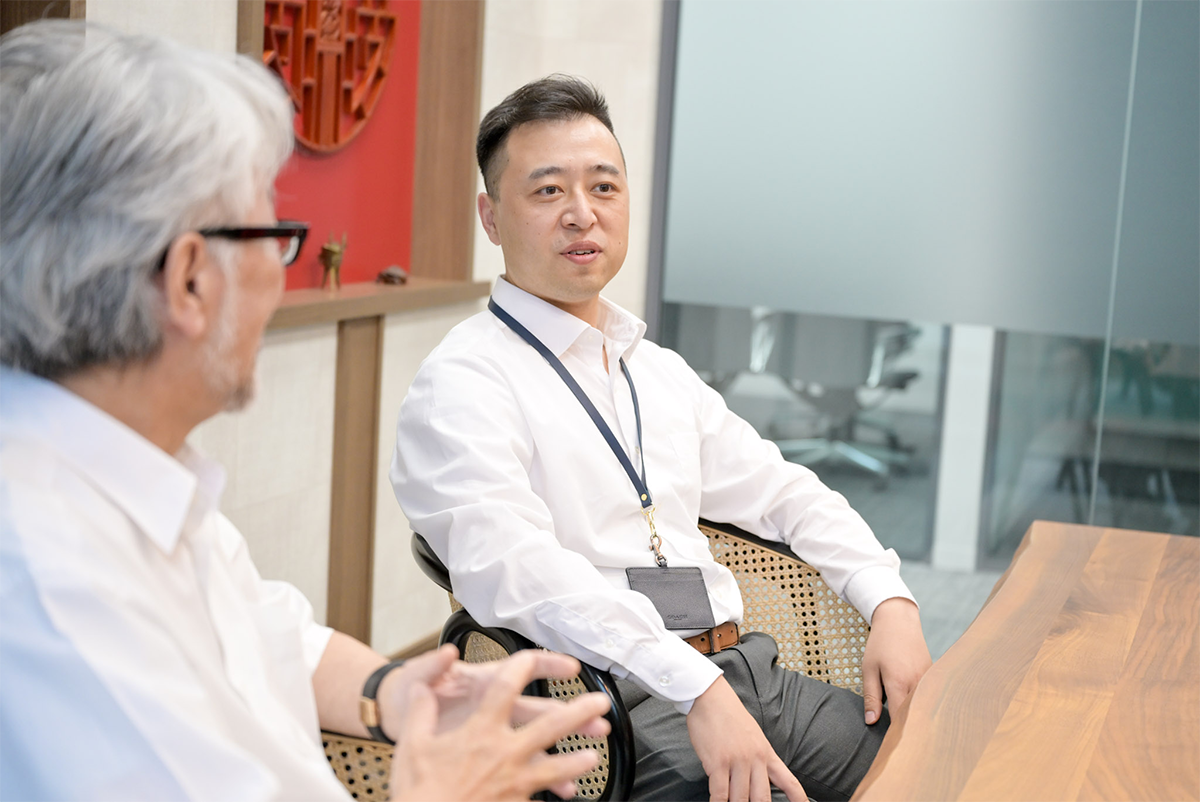
The Current State of Land-Based Aquaculture in China
— Could you tell us about the current state of land-based aquaculture in China?
China's Expanding Seafood Market
(Li) China's seafood market has been growing rapidly. While seafood was traditionally consumed mainly in coastal regions, demand has expanded significantly in inland areas in recent years. At the same time, transporting fresh seafood over long distances to inland cities is costly. As a result, land-based aquaculture systems—which enable seafood to be farmed close to consumers and delivered fresh to the table—have been widely adopted and have evolved in their own unique way.
(Konishi) As production has scaled up and equipment has become increasingly standardized, China has successfully commercialized many highly cost-competitive land-based aquaculture systems. In Japan, farmed fish are often marketed as premium products because production costs are relatively high. By contrast, I find it remarkable that China's land-based aquaculture technologies have been developed with the goal of making seafood more affordable.
A Highly Disciplined Approach to Water Management
(Li) Water is one of the most critical elements in land-based aquaculture. Japan is relatively rich in water resources, so some aquaculture facilities use flow-through systems. In China, however, water resources are managed much more strictly. Wastewater treatment, in particular, is subject to rigorous regulations. As a result, recirculating aquaculture systems (RAS) have been widely adopted, and technological advances in this field have been truly impressive.
State-of-the-Art Automation Technologies
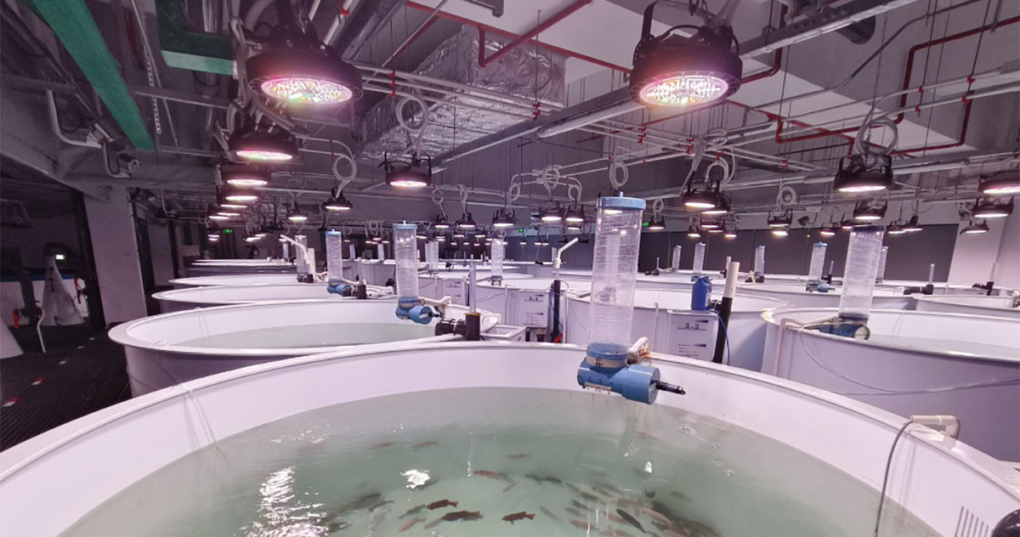
(Li) During a recent business trip to China, I had the opportunity to visit several land-based aquaculture facilities. I was impressed by how advanced they were, equipped with the latest technologies. The systems were operated almost entirely without human intervention, with automatic feeding systems and remote monitoring as standard features. In addition, the recirculating water treatment systems ensured excellent control of both water quality and odor.
Today, there is strong demand in China for safe and reliable food products. As a result, fish and shrimp raised under strictly controlled hygienic conditions in land-based aquaculture facilities are highly valued, and I believe this industry will continue to grow rapidly.
Enhancing the Profitability of Land-Based Aquaculture with LED Lighting
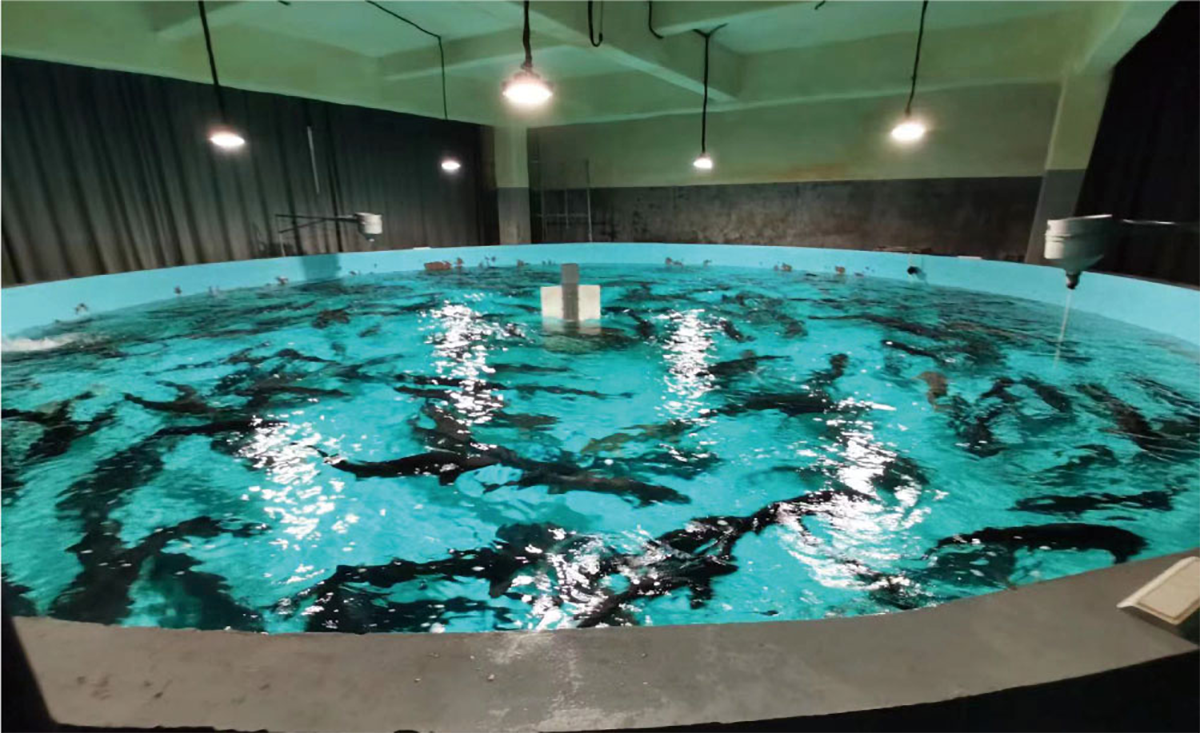
(Li) Among the many technologies advancing China's land-based aquaculture industry, one that has particularly caught HighChem's attention is LED lighting. What makes this technology so fascinating is that different wavelengths of LED light can be used to promote fish growth and even control sexual maturation.
Taking salmon farming as an example, LED lighting can suppress sexual maturation during the growth stage, allowing the fish to devote more energy to body growth and maximize weight gain. Conversely, during the breeding season, the lighting can promote sexual maturation to help produce high-quality eggs and sperm. It is truly remarkable that light can achieve such sophisticated biological control. Light is no longer simply something that illuminates—it is becoming a technology for controlling fish growth.
Bringing China's Advanced Land-Based Aquaculture Technologies to Japan
— What are HighChem's plans for this industry going forward?
(Li) China has made significant progress in the large-scale deployment and standardization of land-based aquaculture facilities. In this industry, a business model similar to the EPC approach commonly used in chemical plants—providing integrated Engineering, Procurement, and Construction services from design and equipment procurement to construction—has already become well established. This enables highly efficient and cost-competitive land-based aquaculture facilities to be delivered as one-stop solutions.
At HighChem, we hope to introduce these advanced systems to Japan at price points that make them accessible, helping bring more farmed seafood to Japanese dining tables.
(Konishi) In addition, by combining China's advanced land-based aquaculture technologies with the CO2 utilization technologies that HighChem has developed over many years, we hope to propose a new and sustainable approach to food production in Japan.
――――
From CO2 to Resources, and from Resources to Food.
Leveraging the technological expertise and global network we have built in the chemical industry, HighChem will continue serving as a bridge between China's advanced technologies and the Japanese market, contributing to the realization of sustainable food production.
We look forward to continuing to share the latest technologies and innovations available through HighChem.