Toward the Commercialization and Social Implementation of Next-Generation Bioplastics!
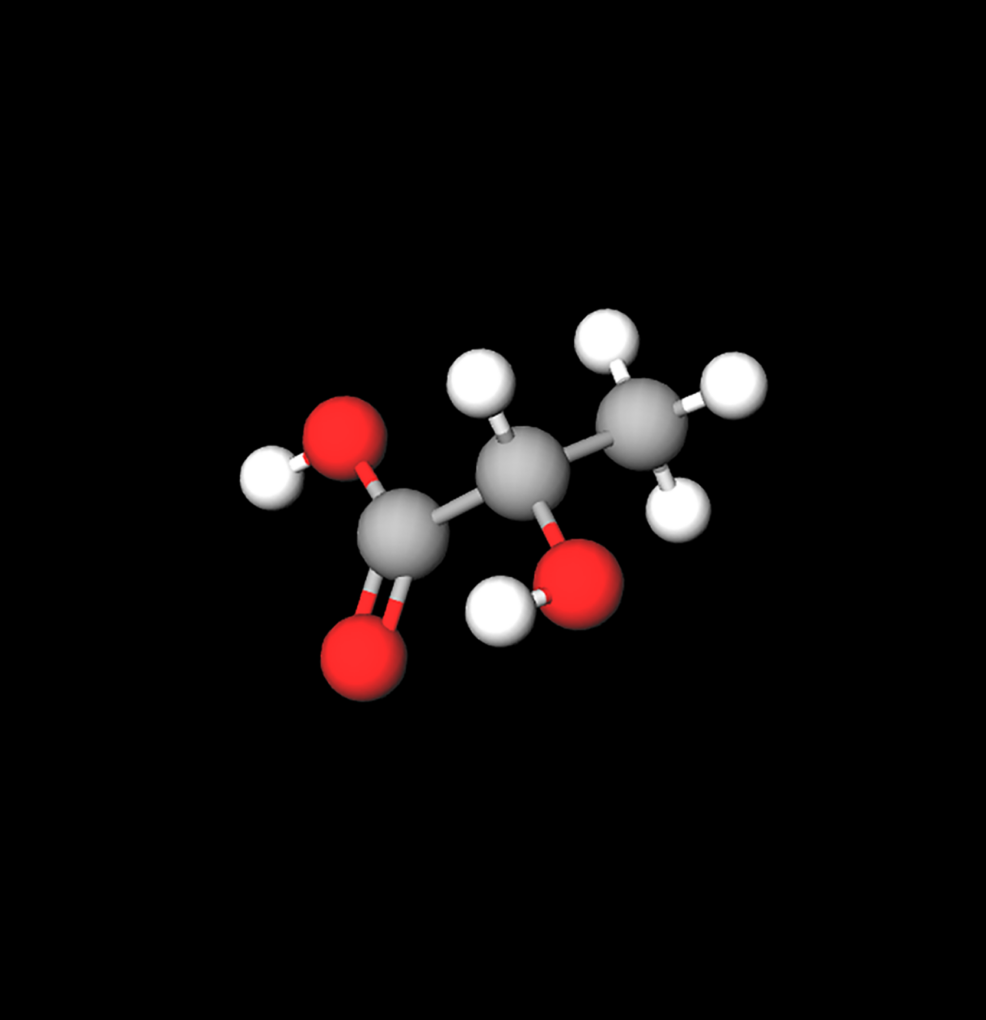
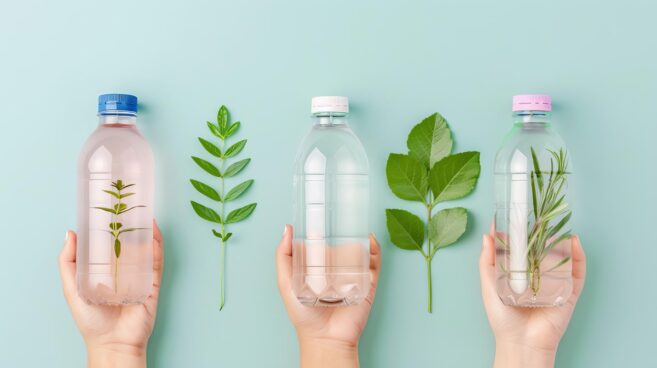
As global interest in decarbonization and resource circulation continues to grow, polylactic acid (PLA) is attracting attention as one of the environmentally friendly alternatives to petroleum-derived plastics.
PLA can be produced from bio-based feedstocks and is biodegradable under certain conditions. While its use is expanding across a wide range of applications, it still faces challenges in terms of properties such as strength and heat resistance for certain applications. As a result, technological development is underway to further expand its potential applications. Against this backdrop, HighChem is working toward the commercialization and social implementation of high-molecular-weight PLA, produced through a plasticization polymerization process using supercritical carbon dioxide.
Recently, the Division of Supercritical Fluids of the Society of Chemical Engineers, Japan, which has expressed interest in HighChem’s initiatives, selected our high-molecular-weight PLA pilot facility as the site for a special tour held as part of its Summer School.
In this article, we introduce the tour, along with the characteristics of high-molecular-weight PLA and HighChem’s efforts to bring new technologies into practical use in society.
Special Tour Held for Members of the Division of Supercritical Fluids, Society of Chemical Engineers, Japan!

The Summer School of the Division of Supercritical Fluids, Society of Chemical Engineers, Japan, was held over two days, September 1 and 2, at the Kashiwa Campus of the University of Tokyo. The Division of Supercritical Fluids is a specialized division comprising researchers, students, and professionals from industry involved in technologies related to supercritical fluids. Held annually by the division, the Summer School brings members together to learn, explore, and discuss the latest technologies related to supercritical fluids. This year marked the 25th edition of the event.
This year’s theme was “New Technologies for Tackling Energy and Environmental Challenges.” Over the two days, the program featured lectures and poster sessions covering a wide range of new technologies related to supercritical fluids. In connection with this year’s theme, HighChem’s “High-Molecular-Weight PLA Pilot Facility,” located at the Materials Research Laboratory of the HighChem Tokyo Research Center, was selected as the site for a special tour. Approximately 45 researchers, students, and industry professionals involved in the field of supercritical fluids participated in the tour.
From Films and Bottles to a Wider Range of Applications
What Is “High molecular weight PLA,” the Next Generation of Bioplastic?

HighChem’s “high-molecular-weight PLA” is polylactic acid (PLA) with a weight-average molecular weight of 300,000 or more.
So, what changes when PLA has a higher molecular weight?
Polylactic acid (PLA) has attracted attention as an environmentally friendly plastic, primarily because it is biodegradable under certain conditions and can be made from plant-derived feedstocks. To date, PLA has been commercialized as fibers and various resin products through processing methods such as melt spinning, injection molding, and extrusion molding. However, challenges remain in producing films and bottles using blow molding.
This is where high-molecular-weight PLA is expected to offer new possibilities.
High-molecular-weight PLA is produced by increasing the molecular weight of the polylactic acid (PLA) itself through a plasticization polymerization process using supercritical carbon dioxide. This makes it possible to provide a resin with higher melt viscosity—meaning that it maintains an appropriate level of viscosity even in the molten state—or, in other words, a resin with a low MFR (Melt Flow Rate). This can broaden the range of processing methods available for PLA. As a result, high-molecular-weight PLA is expected to expand the range of applications into product fields that have been difficult to address with conventional PLA, including blow-molded films and bottles.
Another attractive feature is that the performance of PLA can be improved by increasing the molecular weight of the PLA itself, without relying on additives or blends with fossil-derived resins. This makes it possible to enhance its properties while maintaining the environmental advantages of PLA.
HighChem’s Efforts to Bring High-Molecular-Weight PLA into Practical Use
In 2025, HighChem acquired from Ricoh Company, Ltd. the intellectual property rights related to technologies and know-how for high-molecular-weight PLA.
HighChem currently operates a pilot facility with an annual production capacity of 10 tons, located at the Materials Research Laboratory of the HighChem Tokyo Research Center, and is working toward commercialization of this technology for its practical implementation in society.
In addition, HighChem is accelerating its efforts to bring high-molecular-weight PLA into practical use and commercial-scale production by exploring licensing opportunities in China and other markets around the world, as well as the potential construction of medium- and large-scale plants.
Highlights from the Facility Tour

During the tour, participants showed great interest in the manufacturing technology and facility for high-molecular-weight PLA, which has the potential to help address environmental challenges by utilizing supercritical carbon dioxide, a field closely related to their own areas of expertise.
The presentation held in front of the facility also prompted numerous questions for the staff responsible for the facility, leading to a lively exchange of ideas and opinions.
Participants also learned about HighChem’s concrete efforts toward the social implementation and commercialization of the technology. One participant commented, “As someone involved in supercritical fluid technology, I am very pleased to see that technologies in our field are being steadily advanced toward practical implementation in society and commercial-scale production.”
What Are HighChem’s Strengths and Track Record in Bringing
New Technologies to Society?

HighChem has a proven track record of bringing technologies developed at the laboratory or medium scale into large-scale practical use in China and other markets.
One of the representative examples is SEG® (Syngas to Ethylene Glycol) technology.
Based on technology developed by UBE Corporation, HighChem established a commercial-scale production system and has since developed the technology as a licensing business. To date, HighChem has signed 23 licensing agreements, representing a total annual production capacity of approximately 10 million tons.
For polylactic acid (PLA), in addition to high-molecular-weight PLA, HighChem is also working toward the social implementation and commercialization of SC-PLA (stereocomplex PLA).
We do not believe that new technologies should end in the laboratory.
We believe our role is to develop technologies into solutions that are actually used in society and establish them as viable industries. This is the value that HighChem seeks to provide.
The tour of the high-molecular-weight PLA pilot facility provided a valuable opportunity for members of the Division of Supercritical Fluids, Society of Chemical Engineers, Japan, to learn firsthand about HighChem’s efforts to bring new technologies into practical use in society.
Going forward, HighChem will continue working to connect new technologies with society through active engagement and collaboration with research institutions, universities, and industry.
Related Products
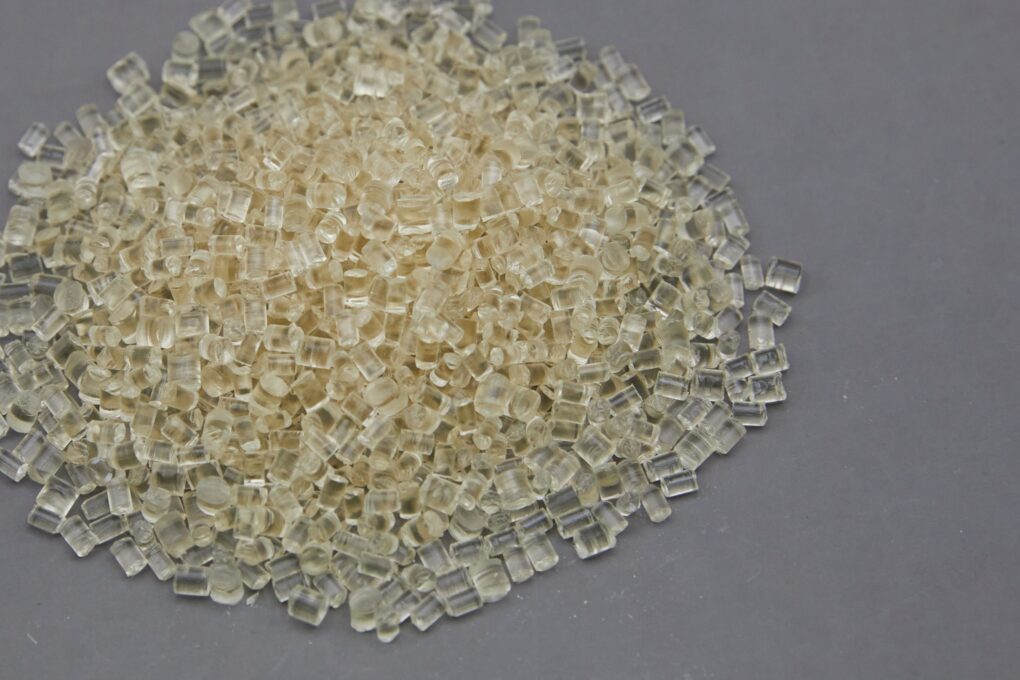
A representative type of biodegradable resin, supplied by China’s largest producer, BBCA, through its authorized distributor. Stocked and sold in Japan.