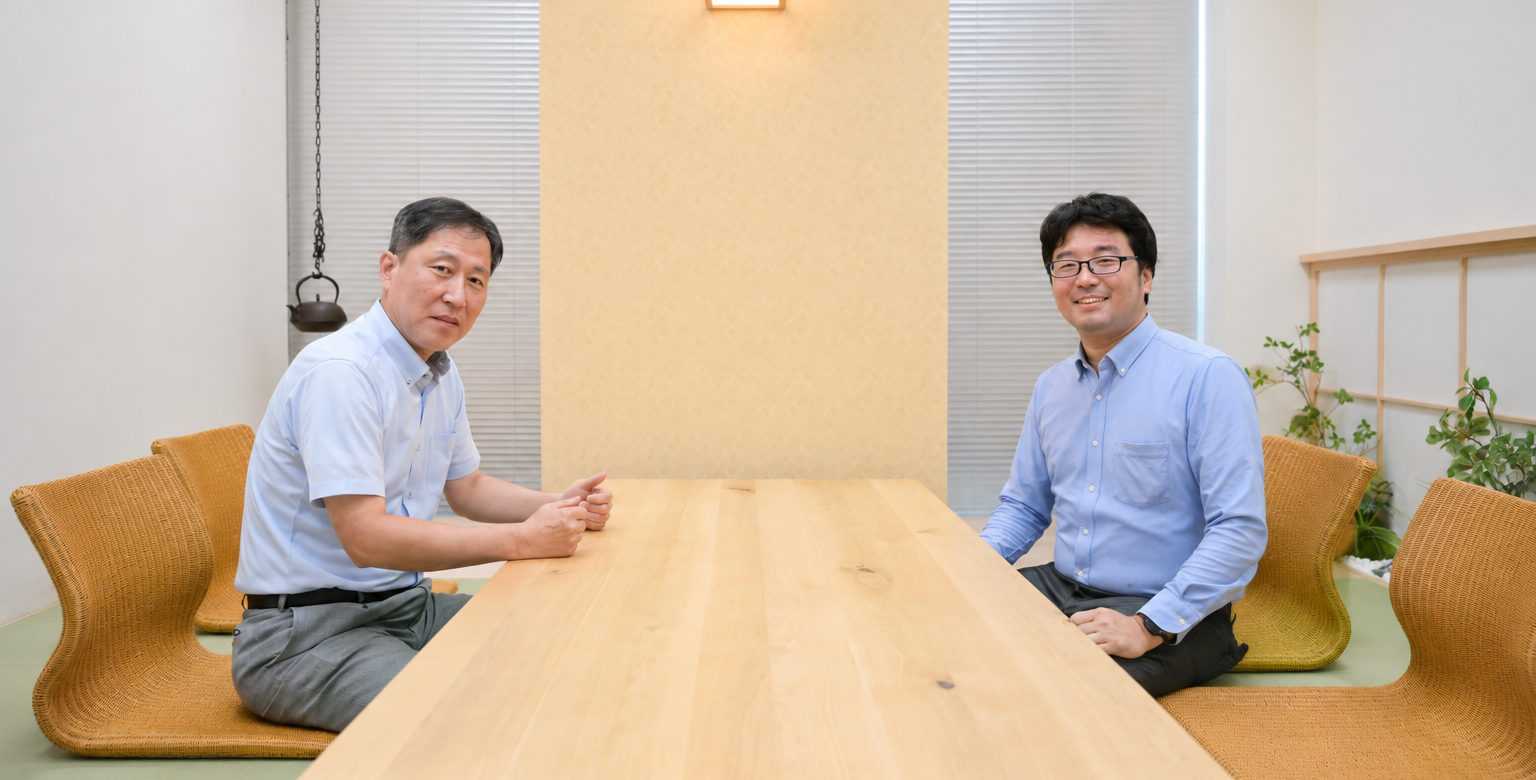
Since 2009, HighChem has been developing the Japanese market for Chinese-made food additives, beginning with vitamin C. To date, we have engaged with more than 200 Chinese manufacturers and currently maintain regular inventory sales of over 40 types of food additives. Through transactions with more than 80 Japanese companies, we have expanded our business in the food industry.
Japan’s food market is recognized globally for its highly stringent quality management systems and rigorous standards for food safety and security. As a bridge connecting China and Japan, HighChem has accumulated more than 15 years of experience and achievements in this market.
In this article, we interview two key members who have led the food additives business since its launch. They share how HighChem has introduced Chinese food ingredients to the Japanese market and built trust with customers through its initiatives.
In addition, we will introduce HighChem’s health food ingredient business, which has been a new focus area since 2023, along with the latest trends in the Chinese market.
Japan’s food market is recognized globally for its highly stringent quality management systems and rigorous standards for food safety and security. As a bridge connecting China and Japan, HighChem has accumulated more than 15 years of experience and achievements in this market.
In this article, we interview two key members who have led the food additives business since its launch. They share how HighChem has introduced Chinese food ingredients to the Japanese market and built trust with customers through its initiatives.
In addition, we will introduce HighChem’s health food ingredient business, which has been a new focus area since 2023, along with the latest trends in the Chinese market.
HighChem’s Strengths in Food Ingredients
─ There are many trading companies handling food ingredients. What do you think are HighChem’s unique strengths?
(Deputy General Manager Kin) Japan’s quality management standards for food safety and security are among the highest in the world. To become a trusted trading company selected by customers, it is essential to be able to source products from China that meet the quality standards required by the Japanese market.
In this regard, I believe HighChem has two major strengths.
A Broad Network of Food Manufacturers in China
(Deputy General Manager Kin) The first strength is our extensive network of food manufacturers in China. HighChem has engaged with more than 200 Chinese food manufacturers to date. From these companies, we carefully select manufacturers that provide high-quality products and currently maintain regular domestic inventory of approximately 40 types of food additives.
When selecting manufacturers, HighChem employees directly visit and inspect factories to confirm whether they are capable of producing products that meet Japanese quality standards.
For food products, importers in Japan are responsible for the products they handle. Therefore, we conduct thorough inspections, including dispatching personnel from our Tokyo headquarters.
─ What do you pay attention to in order to ensure that Chinese products can be used safely in Japan?
(Kitayama) Compared with 10 years ago, the quality management standards of Chinese manufacturers have improved significantly. In the past, we often visited factories together with customers and made proposals for improvement.
Today, Chinese manufacturers’ quality management systems have evolved considerably. When we bring Japanese customers to visit factories, they are sometimes surprised by the advanced equipment and well-established management systems.
(Deputy General Manager Kin) Although products can be imported as long as they comply with Japanese regulations, whether they will actually be adopted by Japanese manufacturers is a different matter. Products must meet the strict standards established by each company.
This requires extensive documentation and coordination. In addition, the evaluation criteria include detailed checks on foreign materials, color, odor, packaging materials, and other factors. We confirm all of these requirements on the Japanese side before delivering products to our customers.
A Nationwide Network Covering All of China Enables Fast and Seamless Support
(Deputy General Manager Kin) Another strength is our ability to respond locally in China. In the food industry, no matter how thoroughly quality control is implemented, it is impossible to completely eliminate the possibility of issues occurring. Therefore, when it comes to providing rapid and smooth responses in the event of a problem, HighChem has a significant advantage.
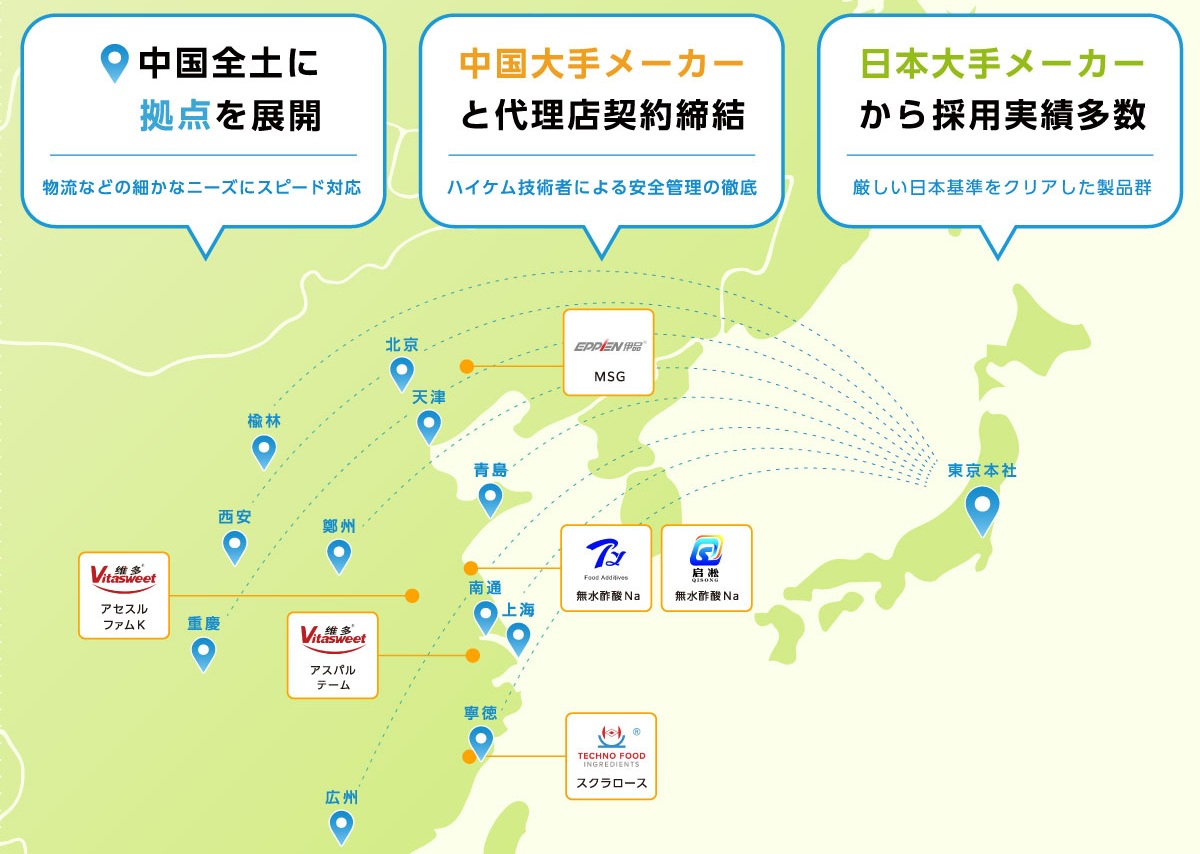
HighChem has 20 locations throughout China, and this network is one of our major strengths.
For our food business, we have dedicated staff stationed at our Tianjin branch, which is located close to Shandong Province, where many food manufacturers are concentrated. We also have food specialists stationed at major locations such as Shanghai and Chongqing, with approximately 10 employees across China responsible for food-related operations. As points of contact with food manufacturers in each region, they continuously collect information, conduct quality checks, and respond to customer needs.
With this local support structure in place, we are able to maintain close communication with manufacturers and respond quickly, which I believe contributes to creating an environment where customers can conduct business with confidence.
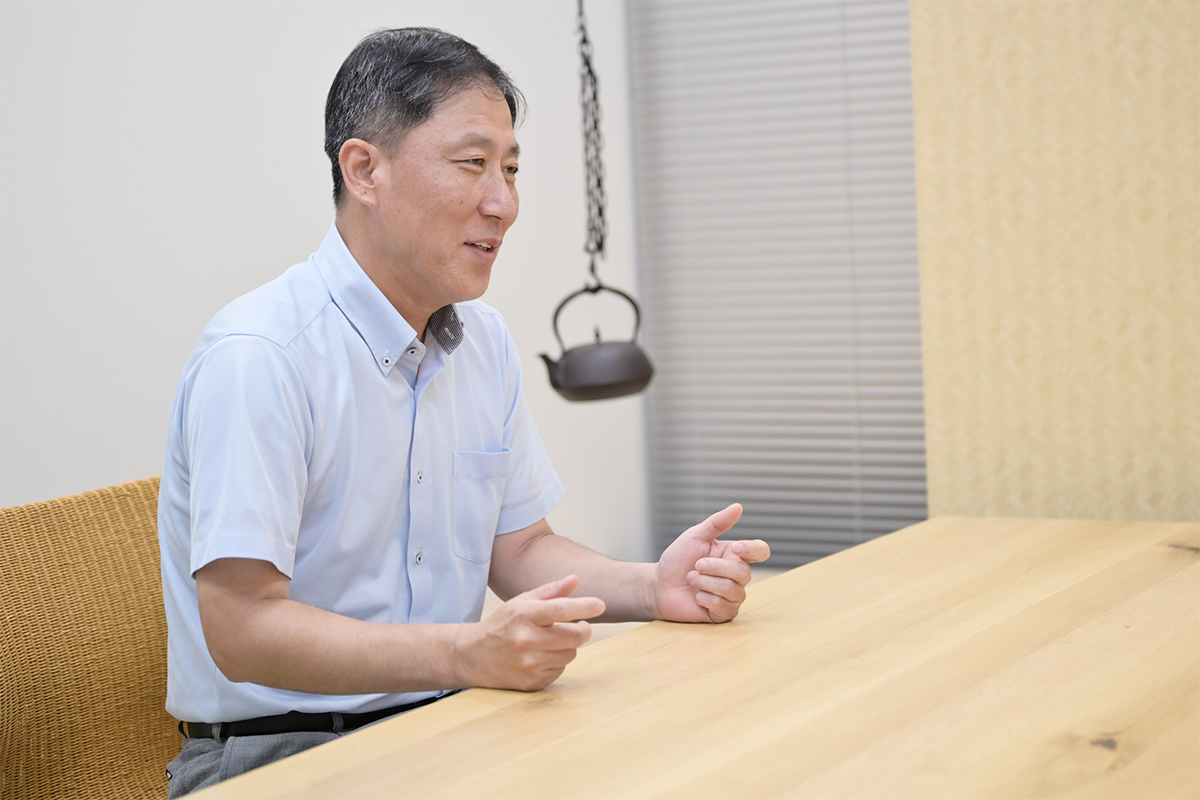
Deputy General Manager Kin, Food & Nutritional Ingredients Sec.
─ HighChem has mainly focused on food additives to date. Could you tell us about the background behind your decision to focus on the health food ingredient sector?
(Deputy General Manager Kim) HighChem started in 2009 as the Food Additives Division and has been developing the Japanese market, mainly focusing on Vitamin C. In the early stages of the business, we worked to increase awareness through exhibiting at trade shows and gradually expanded the range of products we handle. Currently, it has grown into a business that generates stable profits.
On the other hand, the food additive market is mature and susceptible to price competition. Therefore, HighChem expanded its business domain to include higher value-added materials.
As part of this effort, since around 2020, we have expanded our product range to include thickeners used as a thawing agent for the elderly, as well as functional materials such as gelatin and collagen. Then, in 2023, when our new medium-term management plan was launched, we changed the department name to the "Food & Nutritional Ingredients Sec." and clearly emphasized our new focus on health food ingredients.
With growing global interest in "preventive medicine" and healthy life expectancy, and a shift in thinking from treating illnesses after they occur to focusing on maintaining health on a daily basis, the health food market is experiencing significant growth. Against this backdrop, HighChem has also begun to seriously engage in the health food ingredients sector. Currently, food additives account for approximately 70% of sales, while high value-added products such as health food ingredients account for approximately 30%.
Next-Generation Health Food Ingredients HighChem Is Focusing On

Mr. Kitayama, Food & Nutritional Ingredients Sec.
─ Could you tell us about the health food ingredients that HighChem is focusing on?
(Kitayama) We have been developing several health food ingredients over the past few years, and the following two products are the ones we are currently paying particular attention to.
Liposomal Turmeric Extract Powder
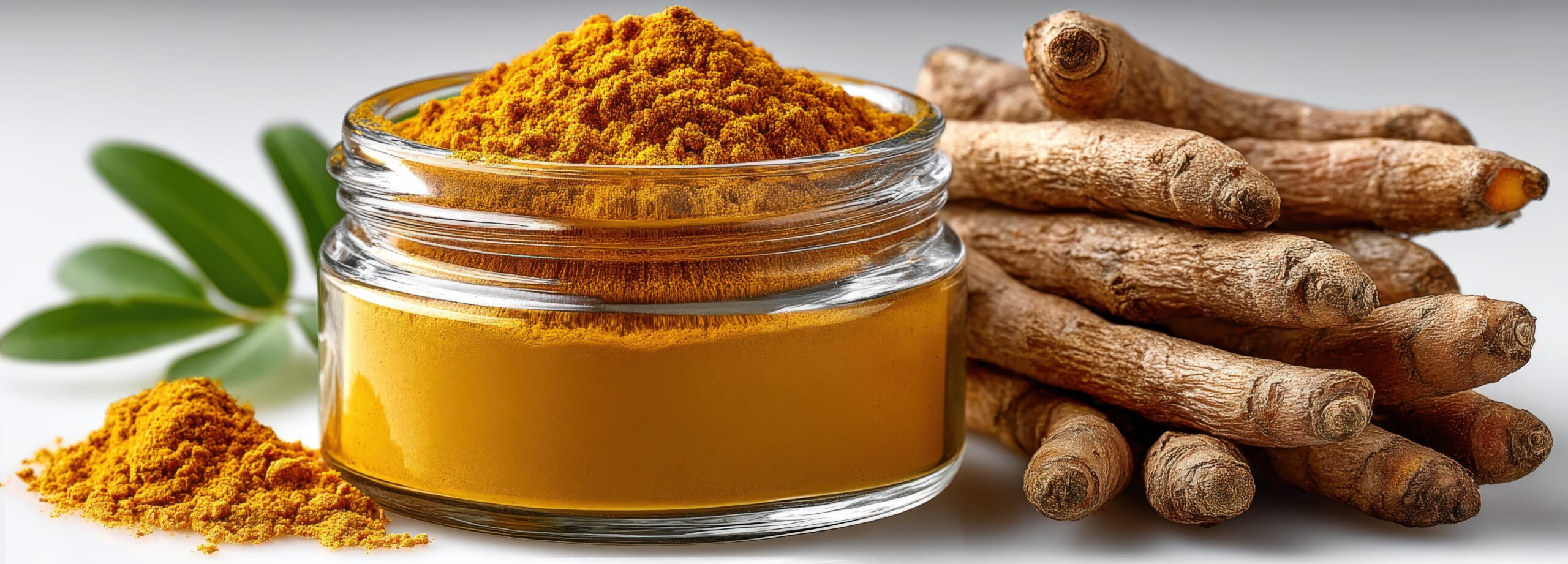
(Kitayama) One product that has attracted particular attention is a curcumin ingredient utilizing enhanced absorption technology: liposomal turmeric extract powder.
This product is developed and manufactured by MCB (Ming Chyi Biotechnology Ltd), a Taiwanese food ingredient manufacturer, and HighChem holds the exclusive distribution rights in Japan. MCB has been engaged in research and development of powder technologies for more than 30 years and supplies health food ingredients to markets around the world.
Product Features
Curcumin, the primary active component of turmeric, is an ingredient that has attracted global attention as a health food ingredient. However, it is known to have challenges in terms of absorption into the body due to its low water solubility.
MCB’s product improves the absorption of curcumin by applying liposomal technology.
Liposomal technology is a formulation technology designed to improve the absorption of ingredients and enhance their functionality. Through MCB’s proprietary technology, the product achieves excellent dispersion in cold water while containing more than 30% curcumin.
According to MCB’s test data, this product demonstrates higher absorption compared with conventional curcumin powder, with the absorption rate in the body reported to be 112 times higher (based on MCB’s test data).
In addition to improved absorption, another key feature is that it is less likely to cause discoloration of processing equipment and manufacturing lines. This makes it an easy-to-handle ingredient for product development and manufacturing processes.
N-Acetylglucosamine
(Kitayama) One of the ingredients we are currently focusing on in particular is “N-acetylglucosamine.” It is a naturally occurring amino sugar that serves as a component of hyaluronic acid.
Traditionally, in Japan, N-acetylglucosamine has mainly been produced from shrimp and crab-derived raw materials. However, in addition to the complexity of the manufacturing process, there has also been the challenge that it may be difficult for people with shellfish allergies to consume.
In contrast, the N-acetylglucosamine produced in China and handled by HighChem is characterized by its production through a fermentation process using corn as the raw material.
─ What are the challenges involved in handling health food ingredients?
(Kitayama) In Japan’s health food market, Foods with Function Claims (FFC) have a significant presence. Therefore, responding to the requirements of the Foods with Function Claims system is an important factor in expanding the market.
The N-acetylglucosamine introduced earlier is also a relatively new ingredient, and we are currently preparing for its application in Foods with Function Claims.
In addition, unlike food additives, health food ingredients require an understanding of functional evidence and scientific data. It is necessary to understand the characteristics of each ingredient as well as research trends, which requires more specialized knowledge.
In particular, the higher the added value of an ingredient, the more data and evaluation criteria are required. Therefore, we continue to work on these products while constantly updating our knowledge.
Latest Trends in Health Food Ingredients in China
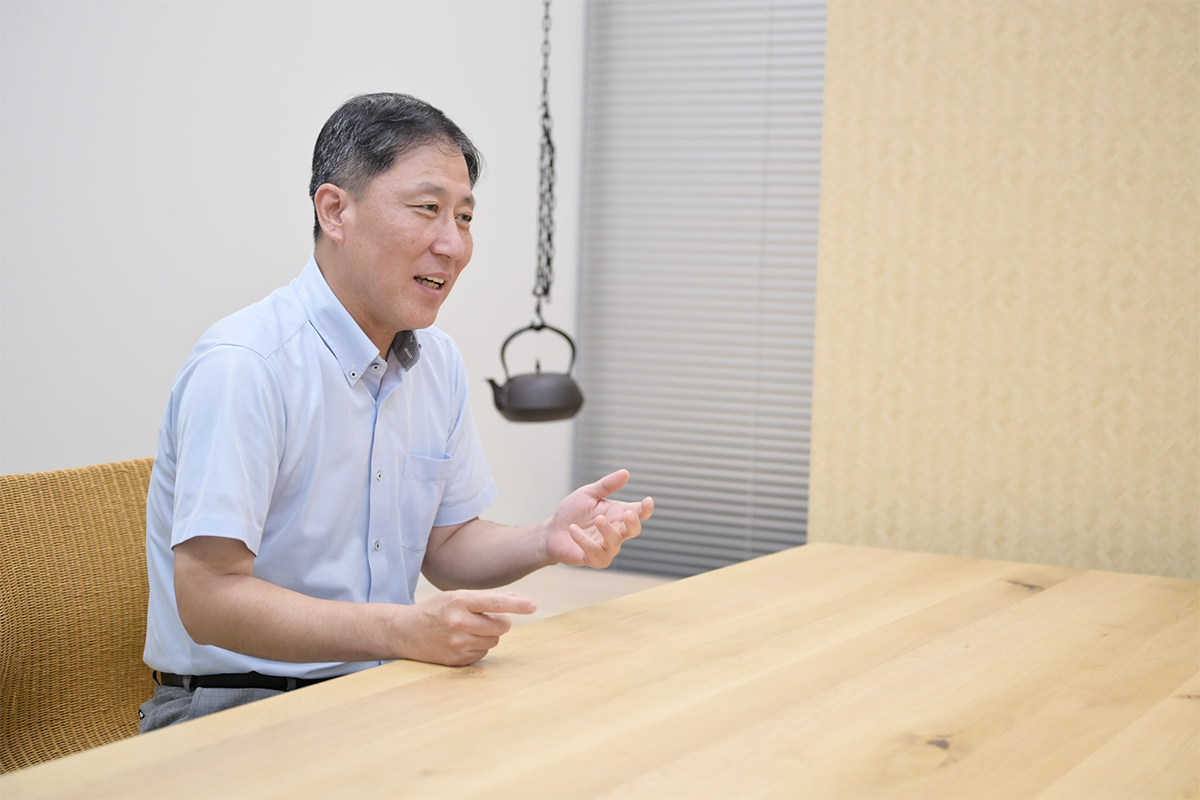
─ Could you tell us about the latest trends in health food ingredients in China?
(Deputy General Manager Kin) Currently, China’s health food market is experiencing significant growth. As people’s living standards have improved along with economic development, interest in health has also increased, and more people are incorporating health foods into their daily lives.
In addition, China is also facing an aging population, leading to growing interest in healthy life expectancy. Compared with people in their 80s in the past, today’s people in their 80s are truly much younger. I believe it is encouraging to see that people are effectively incorporating health foods and other measures into their lifestyles while becoming more conscious of maintaining their health.
Against this backdrop, research and development of health food ingredients have become increasingly active in China. New health food ingredients are being developed one after another, and there are many ingredients that are also highly interesting from the perspective of the Japanese market.
At the same time, there are challenges in introducing Chinese health food ingredients to the Japanese market. In Japan, regulations and safety evaluations related to food are strictly implemented, and the development of sufficient evidence and various types of data is required in order to introduce new health food ingredients. Therefore, these ingredients cannot be immediately launched in the Japanese market. However, as evaluations progress and regulatory systems become more established, I believe there are many ingredients with strong potential for use in Japan in the future.
─ I see. We look forward to seeing how this develops in the future.
(Deputy General Manager Kin)In China, interesting changes are also taking place in the food additive market.
Traditionally, China has had a strong culture of dining out and home cooking, and the usage rate of processed foods has not been as high as in Japan. However, in recent years, the use of convenience stores, frozen foods, ready-to-eat meals, and other products has expanded, and the processed food market itself has grown significantly.
Along with these changes, demand for food additives has also increased. It may be that a similar transition in dietary habits to what Japan experienced in the past is now taking place in China as well.
From my perspective, I believe that the food additive market in China will continue to grow steadily in the future.
As a Trusted Food Network Connecting China and Japan
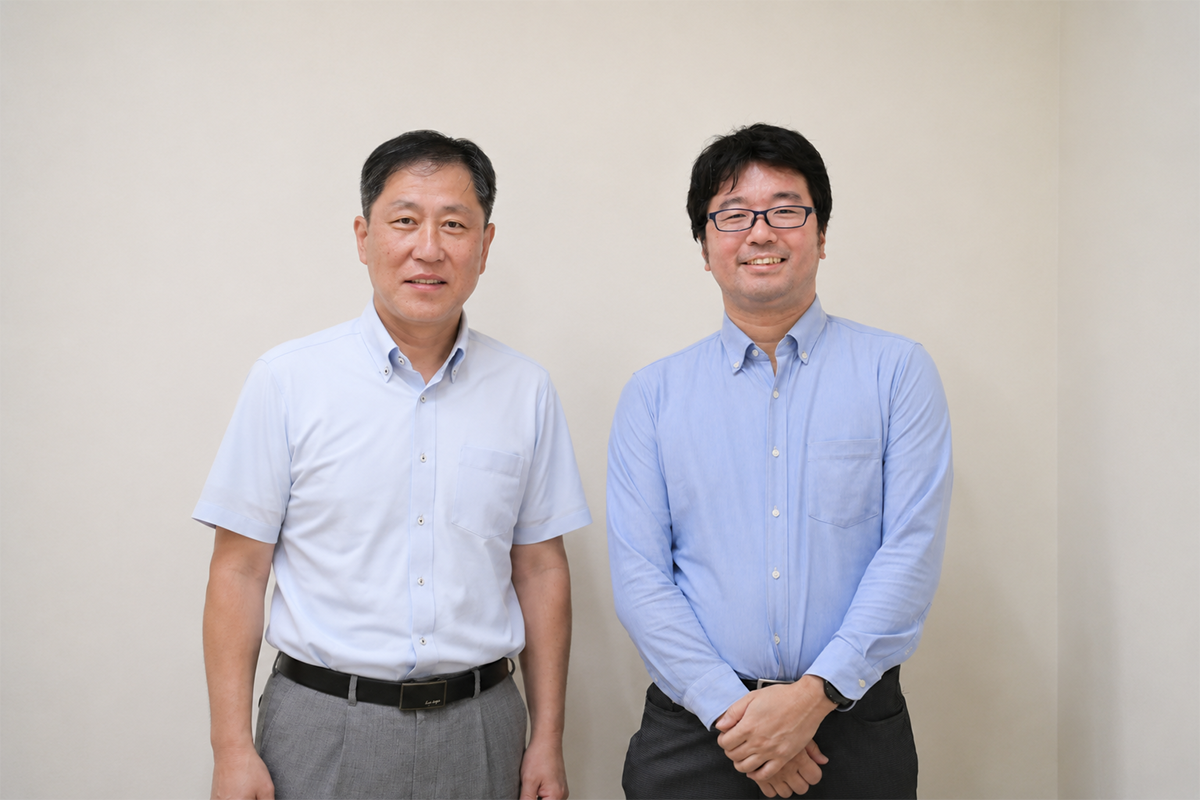
ー What initiatives would you like to focus on in the future as a bridge connecting the “food” industries of Japan and China?
(Deputy General Manager Kin) The food additive business is our foundation business. This is where the foundation of our “trusted food network” with customers, manufacturers, and staff at our China offices has been built over the years.
Based on these trusted relationships, we would like to identify gaps between China, Japan, and even the global market, and take on new business challenges. As a company involved in the food industry, we will continue to place “safety and reliability” as our top priority while taking on challenges in the Japanese market, Chinese market, and global markets.
Products Handled by the Food & Nutritional Ingredients Sec.
Health Food Ingredients
Vitamins
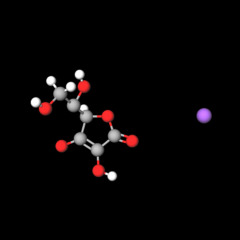
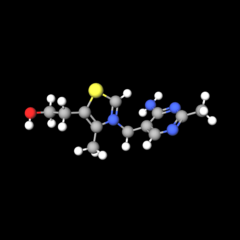
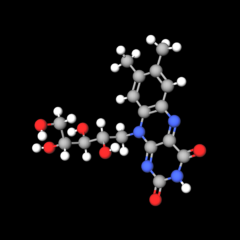
This product is primarily produced in China and has been handled by HiChem for many years. In the Japanese market, demand exceeds 10,000 tons, with a large number of loyal users.
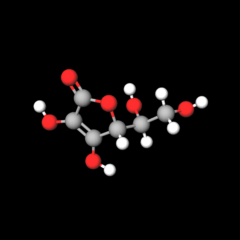
A white to pale yellowish-white crystalline powder, granule, or fine granule with no odor and a slightly salty taste.
Sweeteners
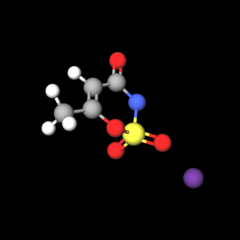
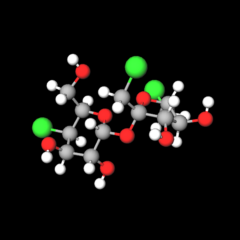
Seasonings and condiments
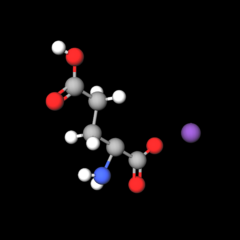
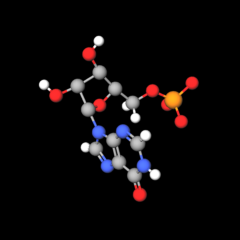
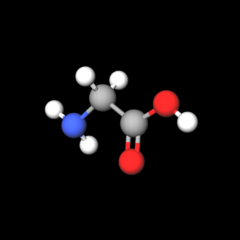
Glycine, one of the 20 standard amino acids, is used not only in pharmaceuticals such as supplements but also in cosmetics and food additives. It is also believed to help improve sleep quality.
A blend of disodium inosinate (IMP), which contains the umami component of bonito flakes, and disodium guanylate (GMP), which contains the umami component of dried shiitake mushrooms. When combined with monosodium glutamate (MSG), it produces a synergistic umami effect.