.png)
Solvents play a critical role in determining product quality and workability. In recent years, the importance of solvent selection has increased due to growing demands for reduced environmental impact and improved workplace safety.
Against this backdrop, the functional solvent EEP (Ethyl 3-Ethoxypropionate) has been attracting increasing attention.
In this article, we introduce the basics of EEP, its key features and advantages, as well as its major applications and areas of use. If you are interested in EEP, we hope you find this information helpful.
Against this backdrop, the functional solvent EEP (Ethyl 3-Ethoxypropionate) has been attracting increasing attention.
In this article, we introduce the basics of EEP, its key features and advantages, as well as its major applications and areas of use. If you are interested in EEP, we hope you find this information helpful.
What Is the Functional Solvent “EEP”?
EEP (Ethyl 3-Ethoxypropionate) is a chemical product classified as a functional solvent. It is increasingly being adopted across a wide range of industries because it can address many of the limitations associated with conventional general-purpose solvents.
However, EEP is still not widely recognized in Japan. One reason is that its raw materials are derived from fermentation processes. In Japan, products made from fermentation-derived raw materials are subject to liquor taxation, making domestic production economically unfeasible. As a result, there are currently no EEP manufacturers in Japan.
For this reason, EEP is primarily produced and supplied overseas, particularly in Europe, South Korea, and China. Its limited distribution within Japan has contributed to its relatively low level of market awareness.
In recent years, however, growing environmental regulations and increasing demand for high-performance solvents have steadily expanded interest in EEP within the Japanese market.
Features and Benefits of EEP
The key advantages of EEP are that it is environmentally friendly, partially bio-based, highly functional, and price-stable.
Environmentally Friendly

One of EEP’s primary advantages is its low environmental impact. This is largely due to its high boiling point. Compared with common solvents such as butyl acetate, PMA, and cyclohexanone, EEP evaporates more slowly, helping reduce emissions of VOCs (Volatile Organic Compounds) during processing.
EEP's evaporation rate is significantly lower than that of conventional solvents such as butyl acetate. It belongs to the category of low photochemical reactivity solvents (OH reaction rate constant) and, in some regions such as the EU, is classified as a low-VOC solvent, allowing it to be excluded from total VOC emission calculations.
VOCs are one of the causes of air pollution, and reducing VOC emissions has become a major challenge across industries from an environmental protection perspective. In addition, EEP’s high boiling point contributes to a better working environment. Its slower evaporation suppresses odor generation and helps protect worker health.
EEP has extremely low acute toxicity (oral LD50 in rats > 5,000 mg/kg) and a relatively mild odor.
As a result, it can significantly improve working conditions in coating and painting facilities, reduce health risks for workers, and enhance overall workplace comfort.
Bio-Based Raw Material

Another feature of EEP is its use of bio-based raw materials. Specifically, its feedstocks are derived from fermentation processes and share characteristics similar to ingredients used in alcoholic beverage production.
Although EEP is not 100% bio-based, compared with conventional petroleum-derived solvents, it can be positioned as a product that contributes to reducing environmental impact.
High Solvency and Excellent Surface Properties
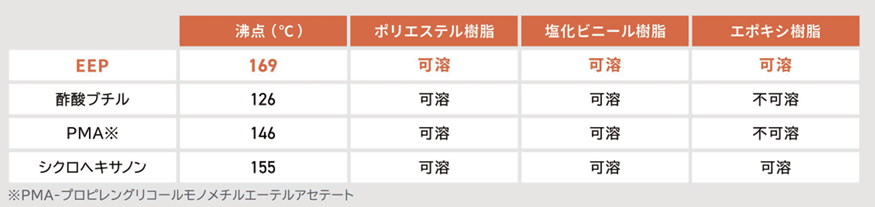
High solvency and excellent surface properties are also among EEP's key advantages. In terms of solvency, EEP is classified as a polar solvent due to its uneven electron distribution, yet it contains a well-balanced combination of both polar and non-polar components within its molecular structure. This hybrid structure enables EEP to dissolve a wide range of resins, from polar resins such as acrylics, epoxies, and polyurethanes to more non-polar resin systems.
In addition, EEP is highly compatible with both polar solvents (such as alcohols and ketones) and non-polar solvents (such as aromatic hydrocarbons), making it an excellent co-solvent for formulating blended solvent systems.
Furthermore, EEP features low surface tension and high electrical resistance, providing excellent flow and leveling properties during coating applications and enabling smooth, uniform, and aesthetically pleasing finishes.
Stable Pricing
When solvents are used continuously, price stability is an important consideration. In particular, in sectors such as electronic materials, solvent prices often rise significantly as demand increases.
In this regard, EEP currently benefits from relatively stable pricing in the Japanese market. Since market awareness and adoption are still developing, supply and demand are less prone to sudden fluctuations, allowing EEP to be procured at comparatively stable prices.
Major Applications and Industries for EEP
Paints, Coatings, and Inks
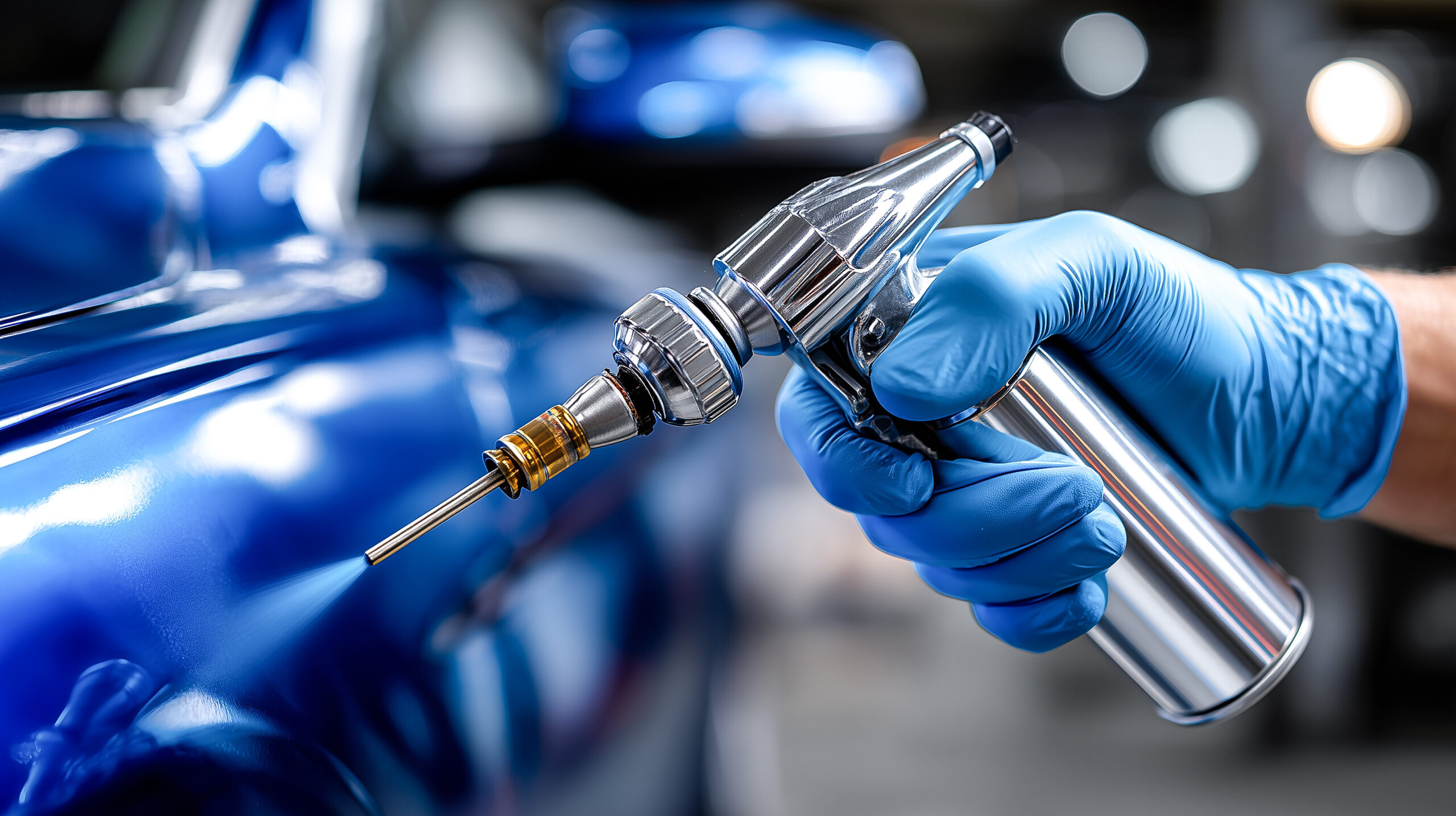
One of the primary application areas for EEP is in paints, coatings, and inks. Among these, automotive coatings—particularly automotive refinish coatings—are one of its most established applications, with numerous successful adoption cases. Automotive coatings require excellent heat resistance and durability and are categorized as premium coatings. Their extensive use of EEP demonstrates the solvent's high functionality.
In automotive coatings, EEP is particularly valued for its ability to create uniform coating films through superior leveling performance and for its controlled drying characteristics that allow coatings to dry smoothly at an optimal rate. In addition to automotive applications, EEP is used as a solvent and thinner in premium coatings for plastics and home appliances. Demand is also growing in marine and container coatings, and further expansion into a broader range of applications is expected in the future.
Semiconductor and Electronic Materials
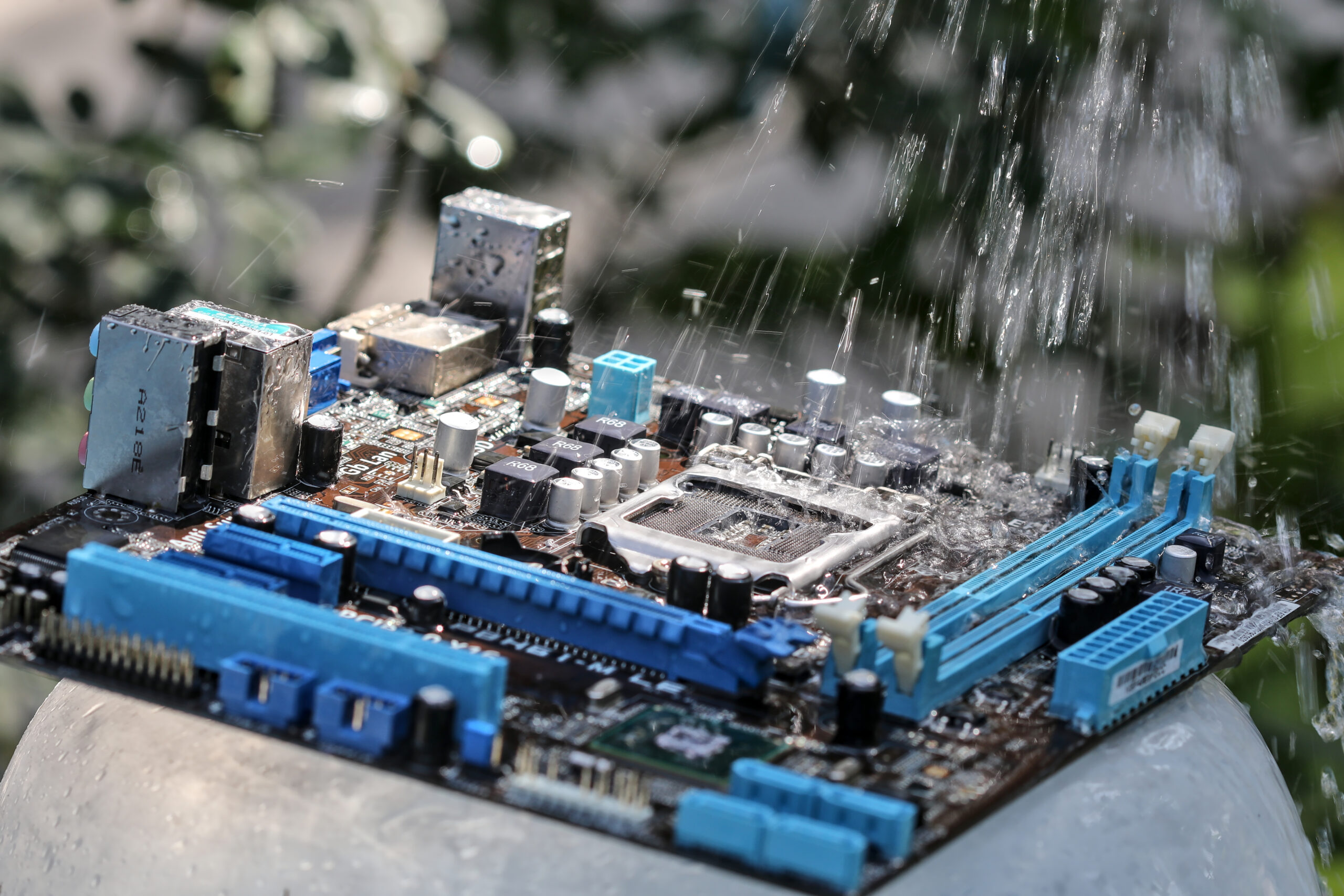
Another area attracting significant attention is semiconductor and electronic materials manufacturing. EEP is increasingly being used as a solvent for photoresists and as an industrial cleaning agent. Traditionally, NMP has been used in certain applications within this sector. However, due to concerns regarding reproductive toxicity, the use of NMP is becoming increasingly restricted worldwide, including under the European REACH regulations.
MMP has begun to be adopted as an alternative, but EEP is recognized as a solvent that offers functionality comparable to MMP while having a lower environmental impact. In China, EEP has already been adopted as a photoresist solvent.
In fact, the transition from high-specification solvents to EEP in semiconductor applications is already underway, making this a market segment with strong growth potential in the years ahead.
Looking for an EEP Supplier?

If you are considering introducing or switching to EEP, we encourage you to consult HighChem Company Limited, a leading company in Japan-China fine chemical trading.
With nearly 30 years of experience supplying Chinese fine chemicals to the Japanese market, HighChem handles more than 8,000 products and works with over 3,400 business partners across Japan and China. Our portfolio includes functional chemicals, commodity chemicals, advanced functional materials, electronics materials such as semiconductor materials, and life science products including pharmaceuticals. We can provide the optimal solution tailored to your specific needs.
For EEP, HighChem has entered into a distribution agreement with PRECHEM, one of the world's largest EEP manufacturers, and began inventory-based sales from its supply hub in Nagoya in October 2025. We are equipped to accommodate everything from small-lot orders to large-volume purchases, ensuring a stable domestic supply.
PRECHEM production capacity: Currently 15,000 tons per year. A new production facility is scheduled to commence operations in June 2026, increasing total annual production capacity to 30,000 tons.
HighChem Partners with Soon-to-be World's Largest EEP Manufacturer...
https://highchem.co.jp/topics/240913/
EEP (Ethyl 3-Ethoxypropionate) Available from Stock Starting October...
https://highchem.co.jp/topics/251006/
For Those Considering the Use of EEP
EEP is a solvent that combines low environmental impact with high functionality. With advantages such as reduced VOC emissions due to its high boiling point, excellent solvency for a wide range of resins, and surface properties that enable superior finish quality, EEP is attracting attention across a broad range of applications, from coatings to semiconductor and electronic materials.
If you are considering the introduction of EEP or would like to learn more about its capabilities and applications, please feel free to contact us.
For inquiries regarding EEP, please contact us here.


Parts of this image were generated using AI.